






















B2B Returns Flow: How to Build an Efficient Returns Process for Wholesale
By Rackbeat January 30, 2026
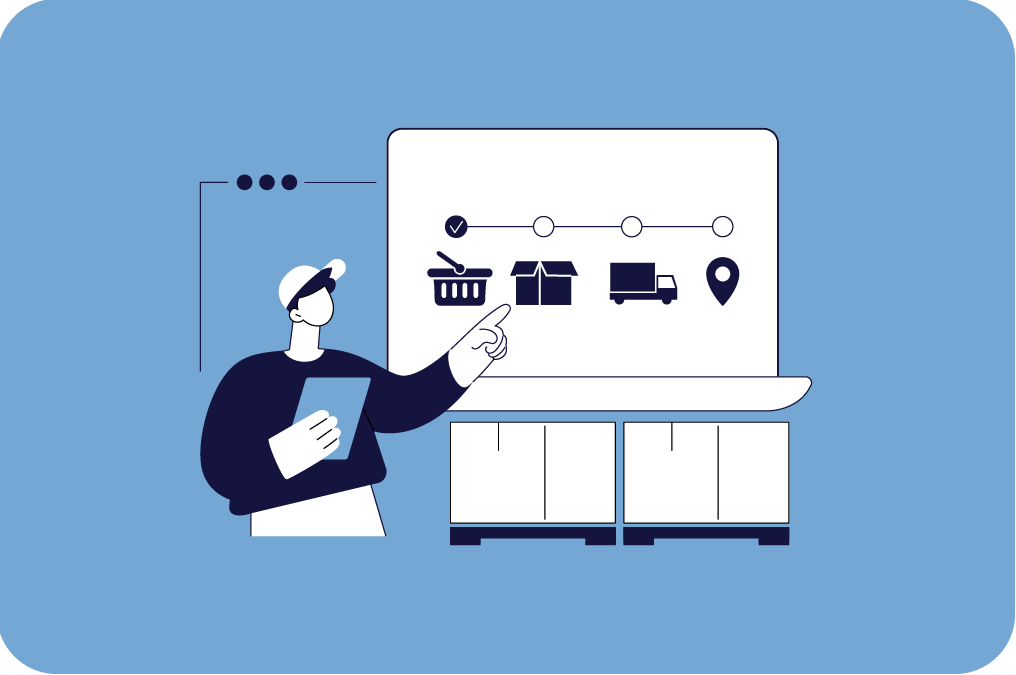
When B2B Returns Become a Blind Spot in the Business
Returns are rarely something you celebrate in a wholesale business. They’re often seen as something that “just needs to be handled,” preferably quickly and without too much attention.
The problem is that a messy returns flow can quietly undermine your inventory, profitability, and customer satisfaction.
Do you recognize the situation where returned goods are left on a pallet in the corner “for later”? Or where credit notes drag on because no one really knows the current status? If so, you’re far from alone.
In this article, we take a closer look at:
what a B2B returns flow actually is
why wholesale returns are more complex than they appear
how to structure an efficient returns process
which mistakes typically occur—and how to avoid them
The goal isn’t to eliminate returns. It’s to get them under control.
What Is a B2B Returns Flow, and Why Is It More Complex Than B2C?
A B2B returns flow covers the entire process from the moment a business customer reports a return, until the item is either put back into stock, exchanged, credited, or scrapped. It sounds simple, but in wholesale there are often multiple layers of complexity.
Unlike B2C returns, B2B returns are rarely about “buyer’s remorse.” The reasons are typically:
incorrect deliveries
damaged goods
backorders and partial deliveries
agreed exchanges
project changes on the customer’s side
At the same time, volumes are larger, values are higher, and the consequences are more noticeable. One poorly handled return batch can create imbalance in both inventory management and finances—especially if the goods end up in system limbo.
Why an Inefficient Returns Flow Costs More Than You Think
A poor B2B returns flow is rarely just an annoyance. It’s a real cost driver.
When the returns process isn’t clearly defined, problems quickly arise: inventory levels don’t match reality, goods can’t be resold, and customer service spends time answering questions they don’t have the answers to.
At the same time, credit notes are delayed, which strains the relationship with the customer.
There’s also a close connection to both inventory management and order management. If returned goods aren’t registered correctly, it affects:
reordering
delivery reliability
In short: returns flow isn’t a side process. It’s an integrated part of your overall product flow.
The 5 Most Important Building Blocks of a Well-Functioning B2B Returns Flow
A strong B2B returns flow isn’t built on luck or routine—it’s built on clear frameworks. There are five elements that need to work together:
A fixed process where everyone knows what the next step is
Clear registration so returned goods never become “invisible”
Clear decision logic that determines whether the item should be restocked, exchanged, or credited
Traceability, so you can always see the history
System support that connects returns flow with the rest of the warehouse
It’s not about making things heavier. It’s about removing doubt and constant firefighting.
How to Handle B2B Returns in Practice: from Receiving to Restocking
An efficient returns process starts even before the goods physically arrive at the warehouse. Once a return is approved, it should be registered immediately so the warehouse and customer service are working from the same reality.
When the goods are received, the next step is a quick but systematic assessment: Is the item intact? Can it be sold again? Does it need repackaging—or is it effectively a loss? This assessment is crucial in deciding whether the item should go back into stock or be handled differently.
After that, inventory must be updated correctly. If the item can be restocked, it needs a clear location so it doesn’t end up as a “loose unit.” If it can’t, this should be reflected in both inventory and financials. The faster and more consistently you close the return in the system, the less noise it creates in the rest of the business.
Common Mistakes in B2B Returns Flow- and How to Avoid Them
Many wholesale businesses make the same mistakes again and again—often without realizing it.
A classic one is manual shortcuts. When returned goods are handled “outside the system” to save time, you pay the price later in the form of discrepancies and lack of overview. Another mistake is unclear agreements with customers, where it’s not clear when an item can be returned and in what condition.
Finally, many underestimate the value of data. Without history on return reasons, it’s difficult to identify patterns and improvement opportunities. Even simple process adjustments can make a big difference.
When Does It Make Sense to Digitalize Your Returns Flow?
If your returns flow today lives in emails, Excel sheets, and verbal agreements, it’s often a sign that complexity has outgrown manual solutions.
A digital setup where returns flow is connected to your WMS and warehouse processes makes it easier to maintain an overview—even as volume increases. With a system like Rackbeat, returned goods can be registered, tracked, and handled as a natural part of the warehouse’s overall flow, rather than as a disruptive exception.
Digitalization isn’t about control for control’s sake. It’s about operational peace of mind.
Get More Warehouse Insights in Your Inbox
Want to sharpen your knowledge about warehouse operations, returns flow, and wholesale logistics—without drowning in theory? Then sign up for Rackbeat’s monthly newsletter.
Here we share concrete insights, practical tactics, and real-world experience so you can optimize your warehouse—one process at a time:
Recommended For You
What is a Warehouse Management System - and Why is it Important?
Rackbeat Jan 4, 2022 3:00:11 PM